
Ledger® Live: Desktop® — Getting Started | official
Ledger Live Desktop offers a convenient solution for managing crypto assets, combining security features, wallet connectivity, and user-friendly tools for desktop-based cryptocurrency management.
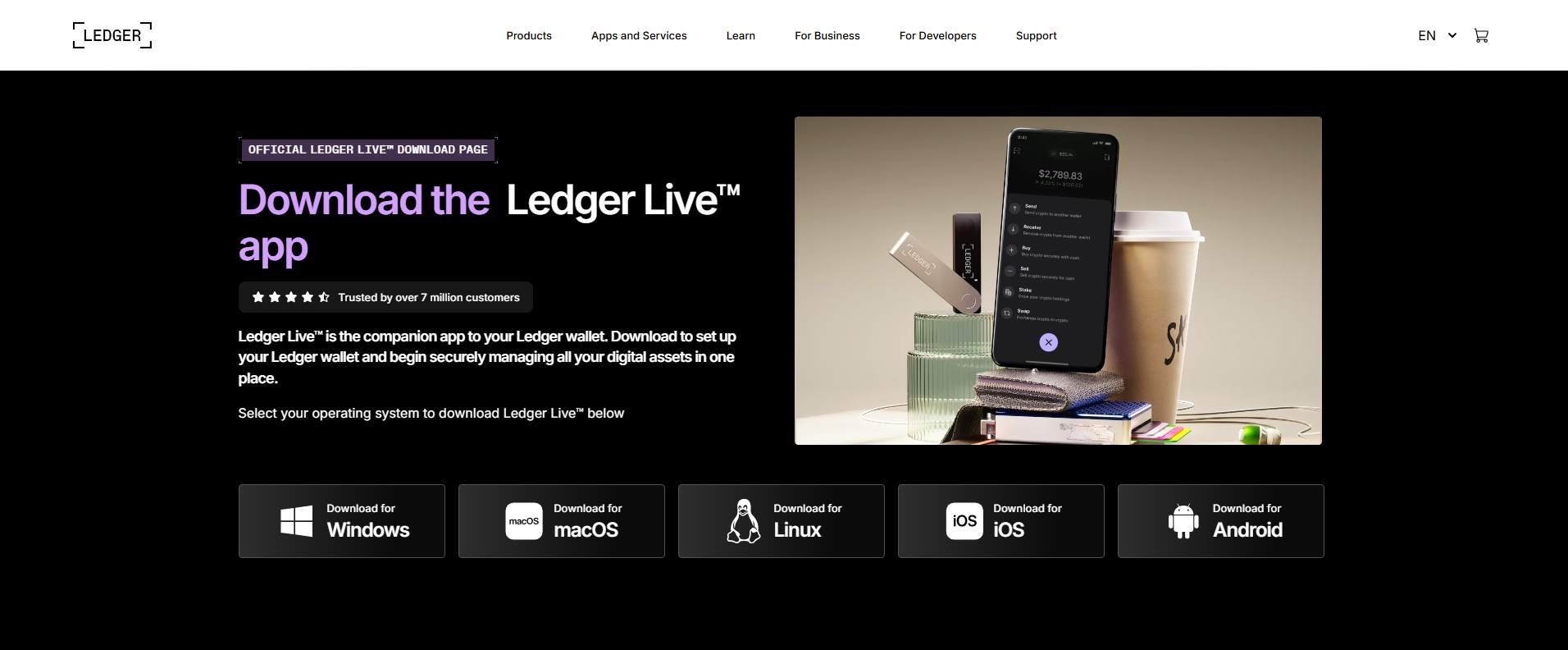
Ledger Live Desktop: Step-by-Step Guide for Secure Crypto Management
Managing cryptocurrency effectively requires a secure and reliable application that works together with trusted hardware. For Ledger hardware wallet users, Ledger Live Desktop provides a convenient way to connect a Ledger device, manage accounts, and monitor digital assets directly from a computer.
Whether you are setting up a Ledger wallet for the first time or looking for a better way to organize your cryptocurrency portfolio, understanding how Ledger Live Desktop works can help you use your device more efficiently while maintaining strong security practices.
What Is Ledger Live Desktop?
Ledger Live Desktop is the official desktop application designed for managing Ledger hardware wallets. It allows users to connect their physical Ledger device to a computer and interact with supported cryptocurrency accounts.
The application provides tools for checking balances, adding accounts, tracking transactions, and managing supported digital assets. While the desktop application provides the interface, private keys remain protected inside the Ledger hardware wallet.
This approach combines the convenience of software management with the security advantages of hardware-based storage.
Why Choose Ledger Live Desktop?
Security is one of the most important considerations when managing cryptocurrency. Using unknown wallet applications or unofficial software can create unnecessary risks.
Ledger Live Desktop is built to work with Ledger hardware wallets, allowing users to approve transactions through their physical device. This helps keep sensitive wallet information protected while providing a simple interface for everyday crypto activities.
The application also helps users manage multiple cryptocurrency accounts without needing separate tools for each asset.
How to Install Ledger Live Desktop
Setting up Ledger Live Desktop is a straightforward process when completed through official sources.
Follow these general steps:
- Visit the official Ledger website and download Ledger Live Desktop.
- Install the application on your compatible computer.
- Open the application and connect your Ledger hardware wallet.
- Follow the setup instructions provided by the application.
- Complete device verification before accessing wallet features.
Always confirm that you are downloading the authentic application. Fake wallet programs may look similar to genuine software and can create serious security risks.
Connecting Your Ledger Hardware Wallet
After installing Ledger Live Desktop, connect your Ledger device using the recommended connection method.
The application will guide you through device recognition and account setup. During this process, pay attention to instructions displayed on your hardware wallet screen.
The physical Ledger device is an important security component because transaction details and sensitive confirmations should always be checked directly on the device.
Main Features of Ledger Live Desktop
Ledger Live Desktop includes several features that make cryptocurrency management easier.
Portfolio Tracking
Users can view their cryptocurrency holdings in one dashboard. The portfolio section helps monitor account balances and organize different digital assets.
Account Management
The application allows users to add, remove, and manage supported cryptocurrency accounts. This makes handling multiple assets more convenient.
Transaction Review
Before approving transactions, users can review important details such as destination addresses and amounts. Final confirmation takes place through the connected Ledger hardware wallet.
Application Management
Ledger Live Desktop also helps users manage supported applications and maintain communication between their hardware wallet and computer.
Understanding Wallet Security
A hardware wallet provides protection by keeping private keys isolated from the computer. However, users must still follow safe practices to protect their cryptocurrency.
Important security habits include:
- Keep your recovery phrase private.
- Never share your PIN with anyone.
- Verify transaction details before approval.
- Avoid downloading wallet software from unofficial websites.
- Be cautious of messages requesting confidential information.
Strong security depends on both the technology and the user's actions.
Protecting Your Recovery Phrase
The recovery phrase is the backup key that can restore access to a wallet if the hardware device is unavailable.
Write down your recovery phrase carefully and store it in a secure offline location. Do not save it in digital formats such as screenshots, cloud storage, email accounts, or online notes.
Legitimate Ledger support will never ask you to provide your recovery phrase. Anyone requesting this information should be treated with caution.
Keeping Ledger Live Desktop Updated
Software updates can improve compatibility, performance, and security. Users should regularly check for updates through official Ledger channels.
Before installing any update, verify that the application source is legitimate. Avoid installing files received from unknown websites or suspicious messages.
Conclusion
Ledger Live Desktop provides Ledger users with a simple and secure way to manage cryptocurrency accounts through a computer. By combining the convenience of desktop software with the protection of a hardware wallet, it helps users monitor assets, review transactions, and organize their crypto activities.
Using Ledger Live Desktop safely requires more than installing the application. Protecting recovery information, confirming transactions carefully, and staying alert against scams are essential parts of responsible cryptocurrency management. With proper setup and security awareness, Ledger Live Desktop can serve as a useful tool for maintaining control over digital assets.
Updated about 6 hours ago